


What Makes a Great Kitesurfing Spot? 7 Things Every Beginner Should Look For

Kitesurfing is one of the most exciting watersports in the world, but choosing the right place to learn can make all the difference. While beautiful beaches and sunny weather are certainly appealing, they're not the most important factors when it comes to progressing safely and confidently.
The best kitesurfing spots share a few key characteristics that help beginners learn faster, stay safe, and enjoy every session on the water. Whether you're planning your first lesson or looking for the perfect destination to improve your skills, here are seven things you should look for.
1. Shallow Water Builds Confidence
For beginners, shallow water is one of the biggest advantages a kitesurfing location can offer.
Being able to stand up instead of constantly swimming makes learning far less intimidating. It allows students to reset after each attempt, recover the board more easily, and focus on controlling the kite rather than simply staying afloat.
Shallow water also allows instructors to stay close to students, making it easier to give immediate feedback and assistance throughout the lesson. This often leads to quicker progress and a more enjoyable learning experience.
2. Flat Water Makes Learning Easier
Not every kitesurfing destination has the same water conditions. Some beaches offer rolling waves and open ocean, while others provide calm, flat water protected by lagoons or sandbanks.
Although experienced riders often enjoy waves, flat water is generally considered the best environment for beginners.
Without waves pushing the board in different directions, students can concentrate on steering the kite, balancing, and practising their first waterstarts. Flat water is also less physically demanding, allowing learners to spend more time improving their technique instead of battling rough conditions.
3. Reliable Wind Is Essential
Kitesurfing depends entirely on the wind, but it's not just about having strong wind — it's about having consistent wind.
Steady conditions make it easier to control the kite and create a much safer learning environment. Sudden gusts or changing wind directions can make the sport unnecessarily difficult, especially for those taking their first lessons.
A good kitesurfing location typically offers predictable wind patterns throughout the season, allowing schools to choose the best times for lessons and giving students more opportunities to get on the water. Ideally, look for a spot backed by real wind statistics rather than a general reputation for being "windy" — a season with a high probability of ridable wind on any given day makes it far easier to plan a trip around.
4. Plenty of Space on the Beach and Water
Learning to kitesurf requires room to move safely.
Wide beaches and large riding areas reduce the risk of collisions and give beginners the freedom to practise without feeling crowded. Having plenty of space also makes launching and landing kites much safer, particularly during busy summer months.
A spacious learning area creates a more relaxed atmosphere, allowing students to focus on building confidence rather than worrying about other riders nearby.
5. Safety Should Always Come First
No matter how beautiful a destination is, safety should always be the top priority.
A professional kitesurfing school will provide high-quality equipment, certified instructors, and a thorough safety briefing before entering the water, along with the appropriate protective gear for conditions and skill level. Many beginner-friendly locations also have rescue support available if assistance is needed during lessons. These precautions allow students to concentrate on learning while knowing they're in good hands.
6. Small Instructor-to-Student Ratios
The amount of personal attention you receive during a lesson has a huge impact on how quickly you improve.
Smaller group sizes allow instructors to spend more time with each student, provide individual feedback, and adapt the lesson to different learning speeds.
For beginners especially, having an instructor nearby during the first few sessions can make learning feel more comfortable and less overwhelming.
7. Modern Equipment Makes a Difference
Kitesurfing equipment has improved significantly over the years.
Modern kites feature advanced safety systems, are easier to relaunch from the water, and offer much more stable flying characteristics than older models.
Professional schools regularly maintain and replace their equipment to ensure students are learning with gear that's reliable, comfortable, and suited to the day's conditions. Using equipment that's correctly matched to your size, experience level, and wind conditions can make your first lessons much smoother and more enjoyable.

Why Aveiro Is an Excellent Place to Learn Kitesurfing
When you combine all of these factors, it's easy to understand why certain destinations are particularly well suited for beginners.
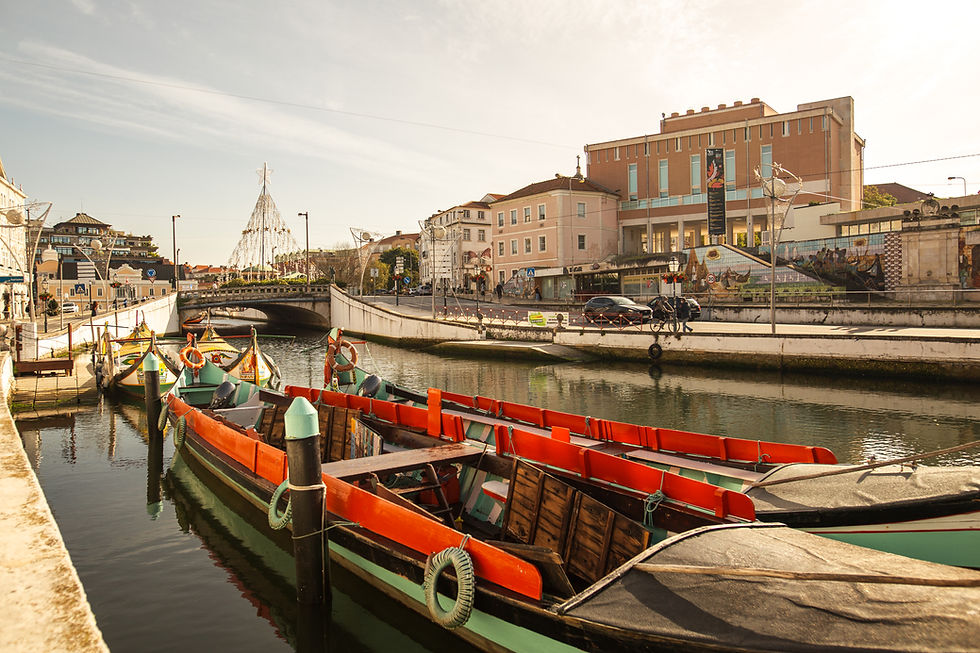
Aveiro, on Portugal's west coast, offers many of the conditions new riders are looking for. The Ria de Aveiro — one of the largest lagoons in Europe — provides huge areas of shallow, flat water protected from ocean swell, giving beginners exactly the calm learning environment described above. The region also benefits from reliable wind: the season from late April to late September sees ridable wind on roughly 80% of days, and even winter months hold up with around 60% probability, with thermal effects often pushing conditions beyond what the forecast predicts on sunny days.
Spacious beaches and open riding areas across the lagoon create a safe, uncrowded environment where beginners can practise with confidence. And for riders who progress and want to try their skills in waves, Praia da Barra is close by, offering the kind of wave-kiting conditions more experienced riders look for — so there's a natural next step once you've outgrown the flat water.
These natural conditions, combined with experienced instructors and quality equipment, make Aveiro an ideal destination for anyone looking to take their first steps into the world of kitesurfing or continue progressing their skills. Porto's airport is only around 50 minutes away by car, making it an easy trip to plan.
Choosing the Right Spot Makes All the Difference
Learning to kitesurf is an unforgettable experience, but the location you choose can have a major impact on your progress.
Shallow water, flat conditions, steady wind, plenty of space, professional instruction, and modern equipment all contribute to a safer and more enjoyable learning environment. By choosing a destination that offers these qualities, you'll spend less time struggling with difficult conditions and more time enjoying every moment on the water.
If you're planning your next watersports adventure, take the time to research your destination carefully. Finding the right spot isn't just about beautiful scenery — it's about giving yourself the best possible start in one of the world's most rewarding sports.
Ready to see what Aveiro's flat water and reliable wind can do for your progress? Book a lesson with us and find out for yourself.


Comments